


Overview
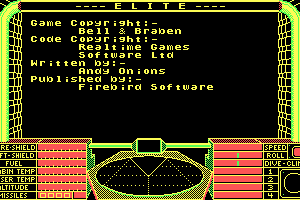
Released in 1987, this iteration of the groundbreaking space trading and combat simulator continued to build upon the innovative mechanics established by its predecessor. Players assume the role of a spaceship pilot navigating a massive, open universe with no fixed goals, fostering a dynamic sense of freedom and exploration.
Gameplay
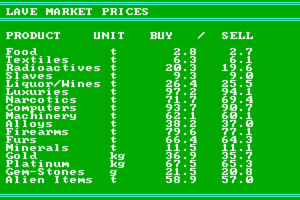
The game allows players to engage in various activities such as trading goods, engaging in space combat, and exploring different star systems. The gameplay revolves around managing resources, upgrading your ship, and building reputations with different factions. It introduced a nuanced economic system where market prices fluctuate based on supply and demand.
Technical Innovation
One of the most notable features was its use of wireframe 3D graphics, a significant achievement given the hardware limitations of the time. The game employed procedural generation to create a vast universe, an innovative approach that allowed for a seemingly endless amount of exploration despite the memory constraints of contemporary systems.
Historical Impact
This game is often credited with paving the way for future space simulation and sandbox games. Its influence can be seen in modern franchise giants that offer open-world exploration and complex economic systems. It set a standard for player agency and non-linear gameplay that is still revered today.
Development and Legacy
The game’s development showcased the creativity and technical prowess of its developers, who pushed the boundaries of what was technologically feasible at the time. It remains a topic of discussion among gaming historians and enthusiasts for its innovative approach to game design.
Curiosities
Despite its success, the game was nearly never released due to concerns over its complexity and potential commercial viability. However, its eventual release proved these doubts unfounded, as it quickly gained a dedicated following and became a cult classic.